
The Environmental Impact Report: How Recycling Reduces Carbon Footprint
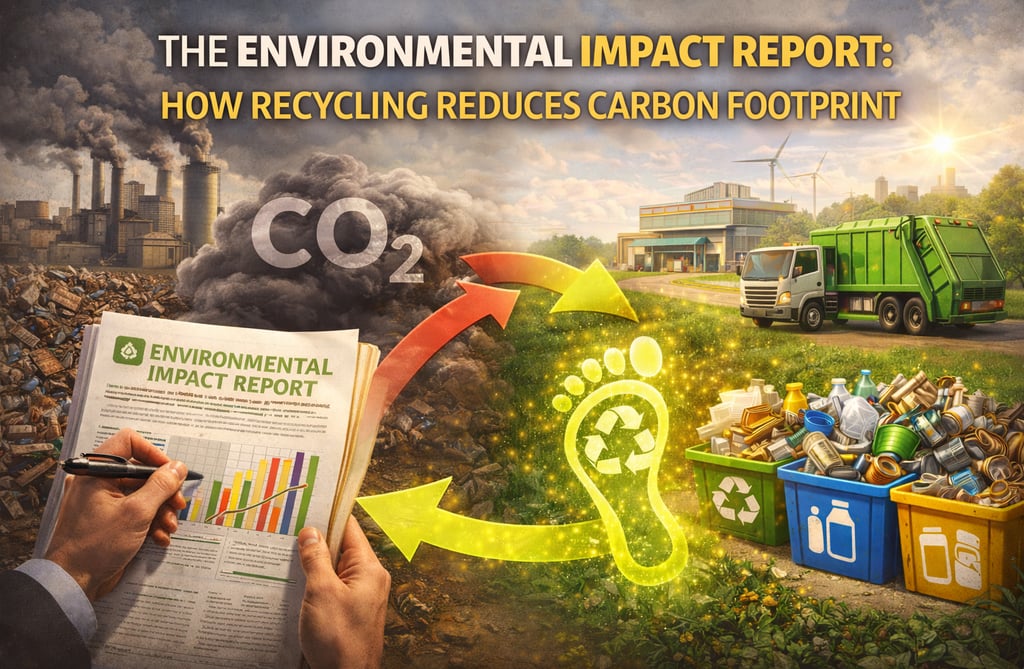
Recycling plays a crucial role in reducing our carbon footprint and mitigating the environmental impact of waste. Through waste management and recycling efforts, significant reductions in carbon emissions, energy consumption, and resource conservation can be achieved. In this article, we will delve into the environmental benefits of recycling and quantify the positive impact it has on our planet.
Carbon Footprint Reduction
One of the primary environmental benefits of recycling is the reduction in carbon emissions. When we recycle materials, such as paper, plastic, glass, and metal, we reduce the need for extracting and processing virgin materials. The extraction and processing of raw materials are energy-intensive processes that contribute to greenhouse gas emissions.
By recycling, we conserve energy and reduce the demand for fossil fuels, which in turn leads to a decrease in carbon emissions. According to studies, recycling one ton of paper can save up to 3,000-4,000 kilowatt-hours of electricity and reduce carbon emissions by approximately 3-4 metric tons.
Energy Savings
In addition to reducing carbon emissions, recycling also helps conserve energy. It takes significantly less energy to produce products from recycled materials compared to using virgin materials. Recycling paper, for example, requires 40-50% less energy than producing paper from trees.
Similarly, recycling aluminum cans saves a substantial amount of energy. Producing aluminum from recycled cans requires only 5% of the energy needed to produce aluminum from bauxite ore. This energy savings translates to a significant reduction in greenhouse gas emissions and a more sustainable use of resources.
Conservation of Resources
Recycling also plays a vital role in the conservation of natural resources. By reusing materials, we reduce the need for extracting and depleting finite resources. For instance, recycling one ton of plastic can save approximately 7.4 cubic yards of landfill space and conserve around 16.3 barrels of oil.
Furthermore, recycling helps preserve forests, which act as carbon sinks and play a crucial role in mitigating climate change. By recycling paper and using recycled paper products, we reduce the demand for wood pulp, thereby protecting forests and their ecosystems.
Conclusion
Recycling is a powerful tool in reducing our carbon footprint and promoting sustainable waste management. Through recycling efforts, we can significantly decrease carbon emissions, conserve energy, and protect our precious natural resources. It is essential for individuals, businesses, and governments to prioritize recycling and incorporate it into their waste management strategies. By doing so, we can contribute to a cleaner and more sustainable future for generations to come.