
Case Studies: Transforming Waste into Resources
Introduction
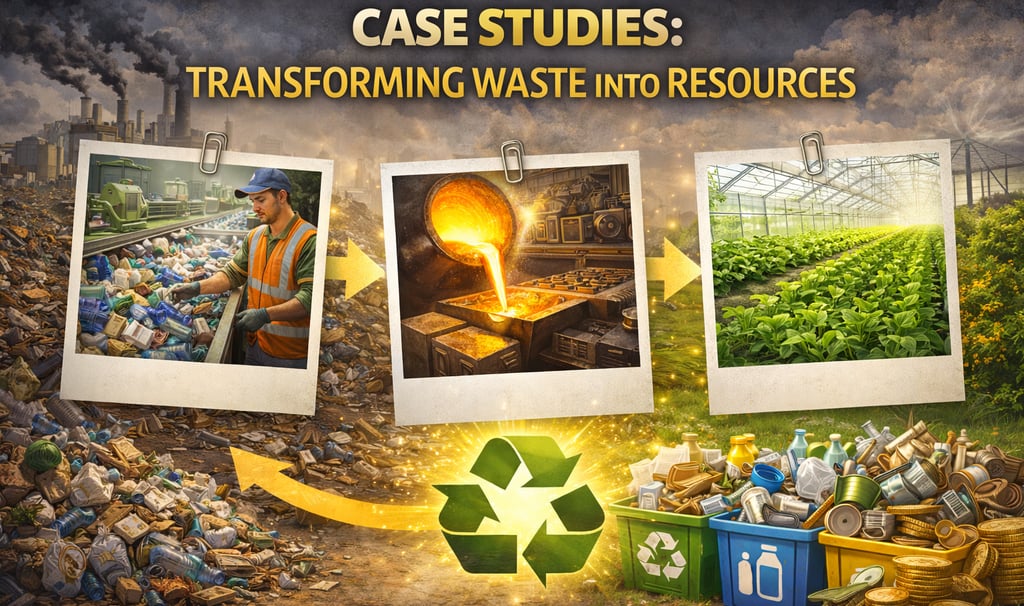
Waste management and recycling initiatives play a crucial role in transforming waste into valuable resources. These efforts not only contribute to environmental sustainability but also have a positive impact on the local economy and the communities they serve. In this article, we will share some success stories and case studies that highlight the transformative power of waste management.
Case Study 1: From Trash to Treasure
In a small town in the Midwest, a waste management company implemented an innovative recycling program. They partnered with local businesses and residents to collect and process various types of waste, including paper, plastic, and glass. Through advanced sorting and processing techniques, they were able to extract valuable materials from the waste stream.
These materials were then sold to manufacturers, who used them to create new products. This not only reduced the need for virgin resources but also generated revenue for the waste management company and the local economy.
The program also had a positive impact on the community. It created new jobs, provided educational opportunities for residents, and improved the overall quality of life.
Case Study 2: Turning Food Waste into Energy
In a bustling city, a waste management company implemented a food waste recycling program. They partnered with restaurants, grocery stores, and food processing facilities to collect organic waste, such as leftover food and food scraps.
Instead of sending this waste to landfills, the company used anaerobic digestion technology to convert it into biogas and organic fertilizer. The biogas was then used to generate electricity and heat, reducing the reliance on fossil fuels.
This initiative not only reduced greenhouse gas emissions but also created a new revenue stream for the waste management company. The organic fertilizer produced was sold to local farmers, improving soil health and promoting sustainable agriculture.
Case Study 3: Building with Recycled Materials
In an urban area, a construction company implemented a waste management strategy that focused on recycling construction and demolition waste. They set up recycling facilities to process materials such as concrete, wood, and metal.
By recycling these materials, the company was able to reduce the amount of waste sent to landfills and conserve natural resources. The recycled materials were then used in new construction projects, reducing the demand for virgin materials.
This approach not only saved costs for the construction company but also had a positive impact on the environment. It reduced the carbon footprint of construction projects and contributed to a more sustainable built environment.
Conclusion
These case studies demonstrate the transformative power of waste management and recycling initiatives. By turning waste into valuable resources, these initiatives have a positive impact on the environment, local economy, and communities they serve. They not only reduce the reliance on virgin resources but also create new revenue streams, generate employment opportunities, and improve the overall quality of life. It is clear that waste management is not just about disposal but also about harnessing the potential of waste to build a more sustainable future.